

Appennino Tosco-Emiliano National Park gathers most of the natural features characterizing the northern ridge of the Apennines.
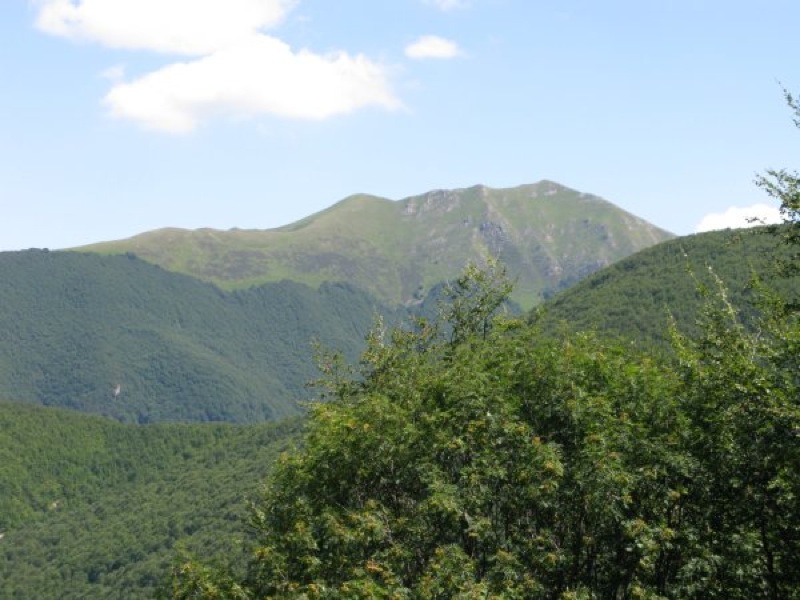
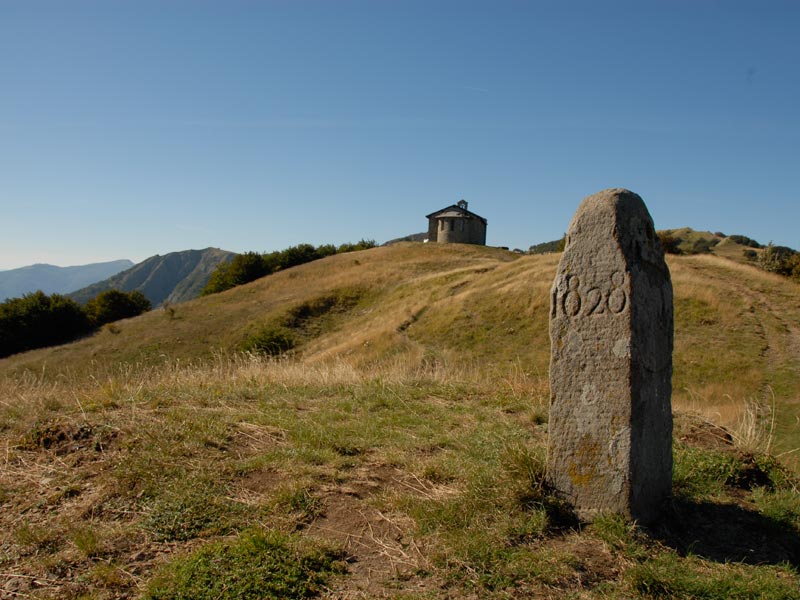
Its history is written in its natural landscape which evolved in an extremely simplified landscape context, functional to the rural-forest model of the 1960s and 70s. The Park territory consists today of a complex mosaic of environments characterized by an extremely rich biodiversity: the forest environments, the semi-natural open areas evolving towards further stages and ecological sequences, and the agricultural ecosystems maintained by the residual human activity significantly characterize the Park landscape; from the summits you can enjoy great panoramas over high-mountain grasslands, moorlands, beech and conifer forests, deep valleys and raging watercourses, calm mountain lakes and precious peat bogs. The renewed presence of natural habitats, the recovered ecosystem complexity, and the consequent abundance of species living today in the territory managed by the Park are probably among the most important nature conservation and biodiversity recovery outcomes observed in our Country.
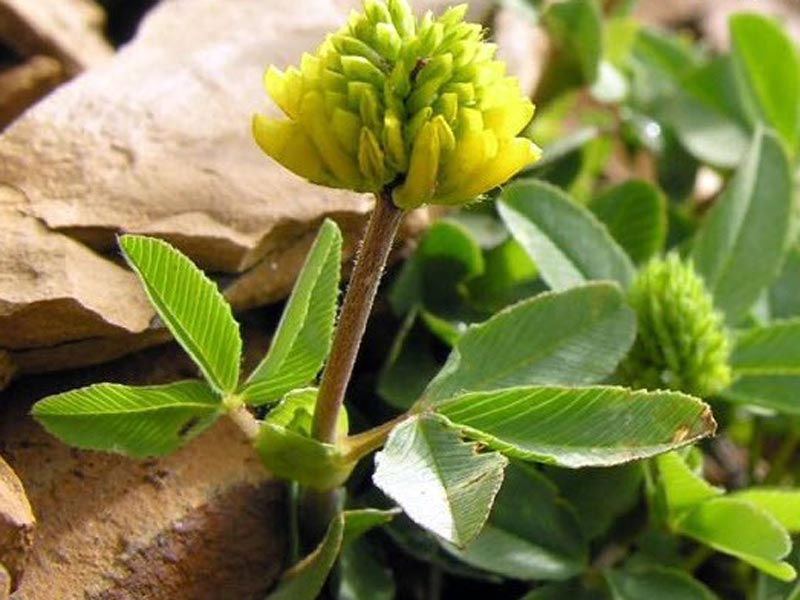
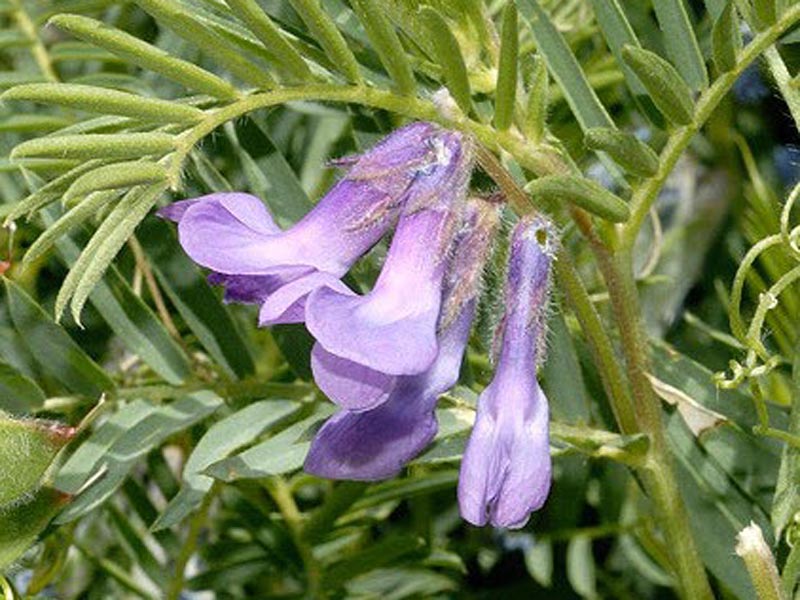
Wildlife species include the Golden Eagle and the Wolf, whose presence has become permanent in the wildest areas, big mammals like the Deer, the Wild Boar, and the Roe Deer, as well as several alpine birds and amphibians. The extraordinary botanical variety of the Park includes endemic species and glacial relicts; for their richness in species, some summits are considered real natural botanic gardens.
Its history is written in its natural landscape which evolved in an extremely simplified landscape context, functional to the rural-forest model of the 1960s and 70s. The Park territory consists today of a complex mosaic of environments characterized by an extremely rich biodiversity: the forest environments, the semi-natural open areas evolving towards further stages and ecological sequences, and the agricultural ecosystems maintained by the residual human activity significantly characterize the Park landscape; from the summits you can enjoy great panoramas over high-mountain grasslands, moorlands, beech and conifer forests, deep valleys and raging watercourses, calm mountain lakes and precious peat bogs. The renewed presence of natural habitats, the recovered ecosystem complexity, and the consequent abundance of species living today in the territory managed by the Park are probably among the most important nature conservation and biodiversity recovery outcomes observed in our Country.
Wildlife species include the Golden Eagle and the Wolf, whose presence has become permanent in the wildest areas, big mammals like the Deer, the Wild Boar, and the Roe Deer, as well as several alpine birds and amphibians. The extraordinary botanical variety of the Park includes endemic species and glacial relicts; for their richness in species, some summits are considered real natural botanic gardens.